Special positions
The Overflow and Broadcast Feed
Quick answer
An overflow or broadcast feed is not a microphone, it is a mix. Send a dedicated aux or matrix output carrying the channels the remote room cannot hear acoustically, plus one or two audience microphones so the room does not sound dead.
This is the position on the list that is not a microphone position, and saying so is the most useful thing this page does. Churches routinely try to solve overflow and streaming by putting a microphone at the back of the sanctuary and sending it somewhere, and the result is always the same: a distant, reverberant, unintelligible signal that nobody can listen to for forty minutes. The reason is that the house mix is not a complete mix. It deliberately leaves out everything the room already hears acoustically, and a remote room hears none of that. See overflow room audio and video and how to mix for livestream.
On this page
Why the house mix is the wrong thing to send
In a sanctuary, the drum kit at 105 to 120 dBA, the guitar amplifier at 95 to 110 and often the piano and the choir are all partly or wholly acoustic. The operator only puts through the loudspeakers what the room needs help with. Send that same mix to another room and everything acoustic is simply missing.
A house mix in a typical church omits the loudest sources in the room, which is why a dedicated feed is always required.
| Source | In the house mix? | In a remote feed? | Why |
|---|---|---|---|
| Vocals and speech | Yes, prominently | Yes | Reinforced in both cases |
| Drum kit | Often barely, or not at all | Yes, fully | The room hears it acoustically. A remote room hears nothing. |
| Guitar amplifier | Often barely | Yes, fully | Same. The amplifier is in the sanctuary, not the overflow. |
| Grand piano | Partly | Yes, fully | Same |
| Choir and orchestra | A gentle lift | Yes, fully | Same |
| Congregation singing | Not at all | Yes, via audience microphones | Without it the feed sounds like an empty room |
This is why an aux or matrix send exists. A post fader aux copies the house balance and inherits all its omissions, so a proper remote feed usually needs its own fader positions rather than a copy of the house mix.
Audience microphones, and why they matter more than expected
The single change that most improves an overflow or stream feed is adding one or two microphones pointed at the congregation. Without them the feed carries only what is on the platform, which sounds like a rehearsal in an empty building. With them it carries the congregation singing, the response, the laughter and the sense that something is happening in a room with people in it.
Hang two cardioid condensers above the congregation, roughly a third of the way back, angled down and away from the loudspeakers. Away from the loudspeakers is the important part: an audience microphone that mostly hears the PA gives you a hollow, delayed copy of the mix rather than the room. Keep them out of the house mix entirely, where they would only be a feedback risk, and use them only in the aux or matrix that feeds the remote destination. Mix them well down, since they are seasoning rather than a main ingredient.
What to buy
Two categories of purchase: microphones for the audience, and a way to get the feed out of the console and into a computer or a distribution system cleanly.
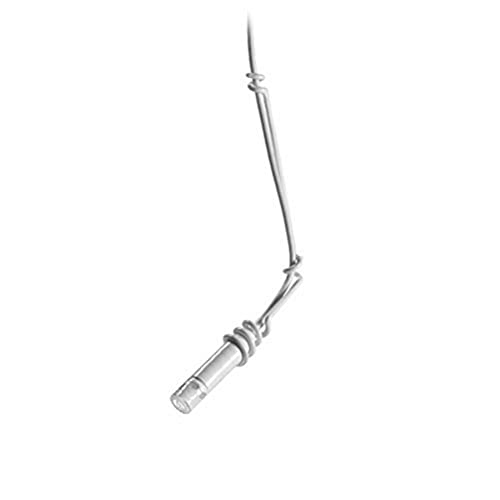
Audio-Technica PRO 45W ProPoint Cardioid Condenser Hanging Microphone
$109.00An affordable hanging cardioid condenser in white that disappears against a ceiling. Two of these over the congregation is all the audience capture a stream or overflow feed needs.
Best for: Congregation capture for a stream or overflow room
Check price on Amazon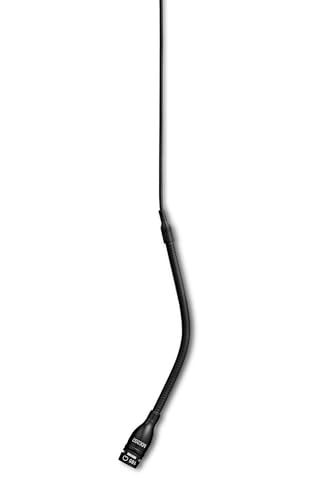
Shure MX202 Overhead Microphone - Black, Cardioid Condenser Mic with 3 Pin XLR Connector, Preamp Included (MX202B/C)
$270.00A hanging overhead condenser with the preamp in line and mounting hardware built for a permanent install, which suits a fixed audience microphone position in a larger sanctuary.
Best for: A permanently installed audience pair in a large room
Check price on Amazon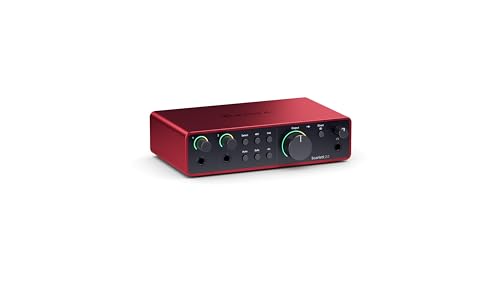
Focusrite Scarlett 2i2 4th Gen USB-C Audio Interface
$224.99 Specs and sizingA two channel USB interface that takes a balanced stereo feed from the console into streaming software cleanly, which is a considerable improvement over a consumer cable into a laptop input.
Best for: A stereo feed from the console into streaming software
Check price on Amazon
Sony MDR7506 Professional Large Diaphragm Headphone
$113.00A deliberately bright closed-back headphone that makes problems obvious rather than flattering, which is the right bias for whoever is checking what the remote room actually receives.
Best for: Monitoring the feed rather than enjoying it
Check price on AmazonSetting up the feed
- Use a dedicated aux or matrix output. Not a copy of the main mix, and not the headphone output. A matrix that can take the main mix plus individual channels is ideal, since it lets you add the drums and the guitar that the house mix leaves out.
- Add the acoustic sources back in. Bring up the drum kit, the guitar amplifier, the piano and anything else the sanctuary hears acoustically until the remote balance sounds like a complete mix on headphones.
- Add audience microphones, well down. Two hanging condensers over the congregation, mixed low. Enough to hear the room respond, not enough to dominate. Keep them out of the house mix entirely.
- Check it on headphones, every service. The only way to know what the remote room receives is to listen to the feed itself rather than to the sanctuary. Assign this to a person, not to a hope.
- Sum to mono for overflow. An overflow room with ceiling speakers is a mono environment, and a stereo feed collapsed badly is worse than a mono feed done deliberately. Keep stereo for the stream if you want it.
The problem specific to this position
There is no feedback risk here, which makes this the one position on the site where gain before feedback is not the governing constraint. The governing constraint is attention: the remote feed is the mix nobody is listening to. The operator is in the sanctuary mixing for the sanctuary, and the overflow room or the stream receives whatever happens to come out of that aux send, uncorrected, for the whole service.
The solution is organisational rather than technical. Someone has to listen to the feed, on headphones, at least at the start of every service, and there has to be a way for them to tell the operator when it is wrong. In a church with a livestream that person is usually the video operator, which is why a proper pair of headphones at that position is a real purchase rather than an accessory. Where the budget allows, a second person mixing the broadcast feed independently is the arrangement that actually works, and it is what every church with a good stream eventually arrives at.
What usually goes wrong
A microphone at the back of the room sent to the overflow, which is unintelligible. A post fader aux copy of the house mix, which is missing the drums, the guitar and the piano. No audience microphones, so the feed sounds like an empty building. A stereo feed collapsed to mono in a ceiling speaker system, with phase cancellation taking out parts of the mix. And nobody listening, so a fault persists for the whole service and is discovered afterwards.
The other frequent error is treating overflow and stream as the same feed. They usually can be, but not always: an overflow room is a live audience hearing the service in real time and wants a mix close to the house balance, while a stream is heard on phone speakers and laptop screens and benefits from more compression, more vocal presence and less low end. If the console has two matrix outputs, use both. See church livestream audio setup for the streaming side.
How we chose
We did not test these products in person and we never claim to. Picks are researched from manufacturer specification sheets and operator manuals, FCC rules where spectrum is involved, published standards, warranty terms, and the recurring themes in verified owner reviews. Every pick is matched to a real room size, seat count or input list rather than to a price bracket, and it is placed in the tier where its capability actually belongs. Where a product is wrong for most churches we say so on the page.
Sources
- Audio-Technica published specifications for the PRO 45 hanging condenser microphone
- Shure published specifications for the MX202 overhead microphone
- Focusrite published specifications for the Scarlett 2i2 4th generation audio interface
Frequently asked questions
Can we just send the main mix to the overflow room?
No, and this is the most common mistake. The house mix deliberately omits everything the sanctuary hears acoustically, including the drum kit, the guitar amplifier and often the piano and choir. A remote room hears none of that, so the feed arrives missing its loudest instruments. Use a dedicated aux or matrix with those channels added back.
Should we put a microphone at the back of the room for overflow?
No. A room microphone captures a distant, reverberant, unintelligible version of the service that nobody can listen to for forty minutes. Build a proper mix from the console instead. Room microphones have one legitimate use here, which is as audience capture mixed well down underneath a real feed.
Why does our livestream sound empty?
Almost always missing audience microphones. Without them the feed carries only what is on the platform, which sounds like a rehearsal in an empty building. Hang two cardioid condensers over the congregation, angled down and away from the loudspeakers, and mix them well down. It is the single change that most improves a stream.
Where should audience microphones point?
Down at the congregation and away from the loudspeakers, roughly a third of the way back from the platform. Pointing them at the PA gives you a hollow, delayed copy of the mix rather than the sound of the room. Keep them out of the house mix entirely, since there they would only be a feedback risk.
Should the overflow feed be stereo or mono?
Mono for an overflow room with ceiling speakers, which is a mono environment anyway, and a stereo feed collapsed badly is worse than a mono feed done deliberately. Stereo is reasonable for a livestream where people may use headphones. If the console has two matrix outputs, send each destination what suits it.
Can one feed serve both the overflow room and the stream?
Usually but not ideally. An overflow room is a live audience wanting something close to the house balance, while a stream is heard on phone speakers and benefits from more compression, more vocal presence and less low end. If your console has two matrix outputs, use both and tune each for its destination.
Researched, not professional advice. This page is compiled from published manufacturer specifications, operator manuals, FCC rules, published standards and owner-review consensus, not hands-on testing. Sound system design, rigging loudspeakers overhead, and any electrical work are jobs for a qualified professional: have flown loudspeakers and their attachment points signed off by a structural engineer or a certified rigger, and have all wiring done by a licensed electrician to your local code. Wireless microphone rules change, so confirm the current FCC position before buying. As an Amazon Associate we earn from qualifying purchases.