Budget gifts
Stocking Fillers for the Sound Booth
Quick answer
The best stocking filler for a church sound booth is a known-good XLR cable at about $20, because every booth runs on leads of uncertain history and the volunteer is the one who finds the faulty one mid-sermon. Give two or three rather than one.
The sound booth is the easiest place in a church to buy small gifts for, because it runs on things that get lost, stood on and borrowed. A stocking filler here is not a token: it is a spare that will be in use within a fortnight and still working in a decade.
Everything below is small, needs no compatibility check, and belongs in the booth rather than in a rack. The bands run from genuinely pocket sized up to the point where a gift stops being a filler and becomes the main present. For a larger single gift, see gifts for church sound volunteers.
On this page
What fits in a stocking, and what does not
The useful dividing line is whether the item can be handed over without a conversation about compatibility. Everything in this guide passes that test, which is what makes it filler material rather than a church purchase.
A $20 XLR cable is the classic filler, while around $60 to $120 is where a filler becomes the main gift, covering headphones and vocal microphones.
| Band | What it covers | Feels like | Compatibility check needed? |
|---|---|---|---|
| Under $35 | Cables, stands, network leads | A genuine stocking filler | None |
| $35 to $60 | Direct boxes, small microphones, pocket amplifiers | A small but real gift | None |
| $60 to $120 | Headphones, vocal microphones, capture hardware | The main present | None |
| Over $120 | In-ear systems, personal mixers, processors | A church purchase | Yes, must match existing equipment |
The line at roughly $120 is where compatibility starts to matter. Below it, everything works in any church with any console. Above it, monitoring and wireless equipment has to match what the church already runs, which turns a gift into a procurement decision and usually a disappointment.
Under $35: the true fillers
Small, cheap, and used at every service. The booth consumes these steadily and never quite has enough, so nothing in this band will sit unused.

Amazon Basics XLR Microphone Cable for Speaker or PA System, Recording Studio, All Copper Conductors, 6MM PVC Jacket, 50 Foot
$19.73A balanced microphone cable cheap enough to give three of. Each one is a lead the volunteer knows is good, which is worth more during a fault than it sounds.
Best for: Every booth in every church.
Check price on Amazon
Cable Matters 10Gbps Snagless Shielded Cat 6A Ethernet Cable, 100ft
$29.99A hundred feet of shielded Cat6A for a digital snake or network camera. Digital audio fails to silence rather than degrading, so a marginal lead produces a dead stage box.
Best for: Churches with digital snakes or network video.
Check price on Amazon
On-Stage MS7701B Euro Boom Mic Stand (For Vocal and Instrument Microphones
$31.95A boom stand, which churches discover they need one more of about ten minutes before a service. Cheap enough to give without ceremony.
Best for: Churches hosting guest speakers or musicians.
Check price on Amazon
Yuyaokk 2Pack 25 ft Male Speakon to Speakon Cables, Professional 12 Guage AWG Audio Cord DJ Speaker Cable Wire with Twist Lock - 2 Conductor.
$32.99A 12 gauge Speakon pair, the correct cable for a passive loudspeaker at typical church distances. Replaces whatever improvised lead currently does that job.
Best for: Portable churches and passive monitor systems.
Check price on AmazonWho should not buy this tier: A booth that has been recently recabled and has plenty of tested spares on the shelf.
$35 to $60: small gear that solves something
Still small enough to wrap, but each of these removes a specific recurring problem rather than topping up a supply. This is the band where a filler starts to feel like a considered gift.

WALI Universal Projector Ceiling Wall Mount with Hidden Cable Management
$37.99A ceiling mount with cable management, replacing whatever shelf or crate is currently holding the projector at approximately the right angle.
Best for: Churches with an unmounted projector.
Check price on Amazon
VIVO Universal Ceiling Extending Projector Tray Mount, Height Adjustable Projection, No Hole Installation, Hidden Cable Routing, Black, MOUNT-VP08B
$39.99An adjustable extending tray for ceilings where a standard mount cannot reach or the height is wrong.
Best for: High ceilings and off-centre projector positions.
Check price on Amazon
Behringer P2 Ultra-Compact Personal In-Ear Monitor Amplifier
$39.90A pocket in-ear amplifier that turns any spare aux send into a personal mix. Small, cheap, and genuinely changes how a volunteer can check a monitor feed.
Best for: Volunteers who also play or sing.
Check price on Amazon
Behringer Ultra-DI DI100 1-Channel Active Microphone/Instrument Direct Box
$45.90An active direct box that handles the laptop-into-the-console connection properly, converting level and balancing in one step.
Best for: Churches with a different playback device each week.
Check price on Amazon
Shure Centraverse CVL Lavalier Condenser Microphone
$54.00An omnidirectional condenser lavalier for seated interviews and teaching, where discretion matters more than feedback rejection.
Best for: Churches recording interviews or panel discussions.
Check price on Amazon
Behringer POWERPLAY P1 Personal In-Ear Monitor Amplifier
$55.90A personal in-ear amplifier with a limiter, which catches a dropped microphone before it arrives at full level in a sealed earphone.
Best for: Anyone on wired in-ear monitoring.
Check price on Amazon
Auralex Studiofoam Wedge Panels, 2-Inch by 24-Inch by 24-Inch, Pack of 2
$58.99Two foam panels for a specific slap echo in a booth or off a hard rear wall. Honest about scale: this is a targeted fix, not room treatment.
Best for: A booth or small room with an obvious echo.
Check price on AmazonWho should not buy this tier: A church with a fully equipped booth where each of these already exists in quantity.
$60 to $120: when the filler becomes the present
At the top of this range the item stops being a filler and becomes the gift. These are all things a volunteer uses every week and would never request from church funds, and none of them need a compatibility check.

Sony MDR7506 Professional Large Diaphragm Headphone
$113.00A closed-back headphone that has been the live and broadcast default for decades. Folds flat, takes abuse, and giving a personal pair ends the weekly hunt for the booth set.
Best for: Any sound volunteer.
Check price on Amazon
Sennheiser HD 280 Pro Headphone
$85.49Strong isolation and a flat response with replaceable parts, so a broken headband does not retire the headphone.
Best for: A volunteer in a booth close to the loudspeakers.
Check price on Amazon
Shure SE215 PRO Wired Earbuds - Professional Sound Isolating Earphones, Clear Sound & Deep Bass, Single Dynamic MicroDriver, Secure Fit In Ear Monitor, plus Carrying Case & Fit Kit - Clear (SE215-CL)
$119.00Sound isolating earphones that work as a monitoring tool and as a personal in-ear. Far easier to carry than a full headphone.
Best for: Volunteers who move between booth and platform.
Check price on Amazon
Shure SM58 Pro XLR Dynamic Vocal Microphone
$109.00A known-good vocal microphone means there is always one capsule in the building that can be trusted when diagnosing a fault.
Best for: A volunteer who troubleshoots as well as mixes.
Check price on Amazon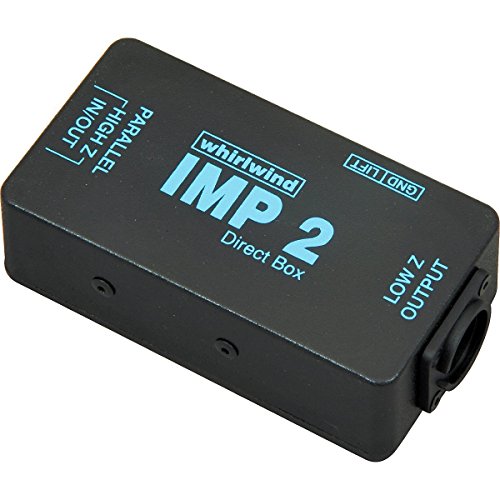
Whirlwind IMP 2 1-Channel Passive Instrument Direct Box
$79.00A passive direct box with no power requirement, so it works when phantom is off and keeps working for decades.
Best for: A volunteer who values reliability.
Check price on Amazon
Elgato Cam Link 4K Capture Card for DSLR, Camcorder, Action Cam, USB-A Connector, USB 3.0 Hardware Interface, Black, Windows 10/11 and macOS
$89.99Turns any camera with a clean HDMI output into a proper stream source, which is the biggest single video improvement at any price.
Best for: Churches streaming from a laptop camera.
Check price on Amazon
Audix OM2 Dynamic Vocal Microphone
$99.00A hypercardioid dynamic vocal microphone with more rejection than the usual default, worth real gain before feedback on a loud platform.
Best for: Backing vocalists on a contemporary platform.
Check price on Amazon
On-Stage MS9701B+ Heavy-Duty Euro-Boom Mic Stand (Setup for Vocal and Instrument Microphones, Adjustable Height, Portable, Folding, Tripod Base, Rubber Feet, Steel and Zinc, 5/8″-27 Threading, Black)
$85.95A heavy duty boom that holds position under the weight of a microphone and clip rather than sagging through the second song.
Best for: Churches tired of adjusting booms mid-set.
Check price on AmazonWho should not buy this tier: A church where every volunteer already owns personal headphones and the booth is fully equipped. Above this band, at roughly $120 and up, monitoring and wireless equipment must match the church’s existing system, so anything larger should go through whoever manages the AV budget rather than being wrapped.
Why the booth is easy to buy for and the rack is not
There is a clean division in church AV between things that belong to the booth and things that belong to the rack, and it maps almost exactly onto what makes a good gift.
Booth items are universal. Cables, stands, headphones, direct boxes and microphones work with any console, in any room, in any church. Nobody needs to check a frequency band or a monitoring protocol. A volunteer can unwrap one and use it the following Sunday without asking permission.
Rack items are system specific. Wireless receivers must match a coordination plan and a legal frequency band. Personal mixers must match the monitoring scheme. Processors must match the console and the loudspeakers. Every one of these is a procurement decision with a compatibility question attached, and buying one as a surprise is how churches end up with expensive equipment in a cupboard.
The test is whether it needs permission. If the volunteer has to ask the AV lead before using it, it is not a gift, it is a donation that happens to be wrapped. That is a fine thing to give, but it should be discussed first rather than revealed, and the person to discuss it with is whoever manages the budget.
One further note on wireless in particular. Secondhand wireless microphones are widely available at prices that look like stocking filler territory, and a great deal of that equipment is tuned to bands that are now illegal to operate in the United States. It works perfectly and it is unlawful, which is exactly the trap. Never buy wireless as a surprise, and check the wireless frequency band chart before buying it at all.
How we chose
We did not test these products in person and we never claim to. Picks are researched from manufacturer specification sheets and operator manuals, FCC rules where spectrum is involved, published standards, warranty terms, and the recurring themes in verified owner reviews. Every pick is matched to a real room size, seat count or input list rather than to a price bracket, and it is placed in the tier where its capability actually belongs. Where a product is wrong for most churches we say so on the page.
Sources
- Current catalog pricing and manufacturer specifications for every product recommended
- US wireless microphone band legality referenced from this site’s wireless frequency band chart
Frequently asked questions
What is a good stocking filler for a church sound volunteer?
A known-good XLR cable at about $20, given two or three at a time. Every booth runs on leads of uncertain history and the volunteer is the person who discovers which one is faulty during the sermon. A boom stand at about $32 and a shielded network cable at about $30 are the next best choices.
How much should a stocking filler cost?
Under $35 is genuine filler territory, covering cables, stands and network leads. Between $35 and $60 you get direct boxes, small microphones and pocket amplifiers, which feel like real gifts. Above about $60 the item stops being a filler and becomes the main present, which is fine as long as that is the intention.
Why should I not buy wireless equipment as a gift?
Because it must match the church’s frequency coordination plan, and because a great deal of secondhand wireless is tuned to bands that are now illegal to operate in the United States after the 600 MHz repack. That equipment works perfectly and is unlawful, which makes it a genuine trap. Wireless purchases belong with whoever manages the AV budget.
What makes something a good booth gift rather than a rack purchase?
Whether it needs permission to use. Cables, stands, headphones, direct boxes and microphones work with any console in any church, so a volunteer can unwrap one and use it the next Sunday. Wireless receivers, personal mixers and processors all have compatibility requirements, which makes them procurement decisions rather than gifts.
Are headphones too big to be a stocking filler?
At around $85 to $113 they are the main present rather than a filler, but they are also the single most appreciated gift in church AV. The booth pair is shared, sat on and usually crackling on one side, so a personal pair that goes home with the volunteer removes a weekly frustration nobody has got around to fixing.
Will a small pack of acoustic foam help the sound booth?
For one specific slap echo off a hard wall, yes. For the sanctuary’s overall reverberation, no. Thin foam does almost nothing below 250 Hz, and changing a room needs treatment across roughly 8 to 15 percent of its surface. Give a small pack as a targeted fix for a booth or a rear wall and set expectations accordingly.
Researched, not professional advice. This page is compiled from published manufacturer specifications, operator manuals, FCC rules, published standards and owner-review consensus, not hands-on testing. Sound system design, rigging loudspeakers overhead, and any electrical work are jobs for a qualified professional: have flown loudspeakers and their attachment points signed off by a structural engineer or a certified rigger, and have all wiring done by a licensed electrician to your local code. Wireless microphone rules change, so confirm the current FCC position before buying. As an Amazon Associate we earn from qualifying purchases.