Volunteers
Gifts for Church Musicians
Quick answer
The best gift for a church musician is sound isolating earphones, around $119 for the Shure SE215, because they work with any monitoring system and cut platform level at the ear. Under $50, a pocket in-ear amplifier turns a spare aux send into a personal mix.
Volunteer church musicians usually own an instrument and nothing else. The cables, stands, direct boxes and monitoring all belong to the church, which means the musician spends every rehearsal negotiating for equipment that may or may not be where it was last week. Gifts that close that gap are genuinely useful.
The other thing worth buying is hearing protection that does not feel like hearing protection. A musician standing beside a drum kit is exposed to 105 dBA or more for the whole rehearsal and the whole service, and sealed earphones are the version of protection they will actually wear. For the person leading them, see gifts for worship leaders.
On this page
What each band buys a musician
Three bands, mapped to what a volunteer musician is actually short of. The pattern is consistent: monitoring first, then the interface between their instrument and the system, then microphones.
Around $119 buys sound isolating earphones that work with every monitoring system, which is the highest value purchase for almost any church musician.
| Budget | What it buys | What it changes |
|---|---|---|
| Under $50 | A pocket in-ear amplifier, a stand, a cable, an active DI | They stop borrowing church equipment every week. |
| $50 to $100 | A personal in-ear amplifier with a limiter, headphones | A personal mix, and protection from a dropped microphone. |
| $100 to $150 | Sound isolating earphones, a passive DI, an instrument mic | Monitoring and a clean signal path they own. |
| $150 to $250 | A clip-on instrument microphone, a personal mixer | They control their own mix instead of asking the booth. |
| Over $250 | A full personal mixer system | Church infrastructure, not a personal gift. |
The distinction that matters is whether the item works with whatever the church already owns. Earphones, direct boxes and stands are universal. Personal mixers and wireless in-ear systems are not: they have to match the church’s existing monitoring scheme, so check before buying anything in the top band.
Under $50: the things they keep borrowing
Every volunteer musician borrows the same items week after week: a stand, a cable, a direct box. Giving them their own means they arrive ready and the church stock stays intact. Small, cheap, and used at every single rehearsal.

Behringer P2 Ultra-Compact Personal In-Ear Monitor Amplifier
$39.90A pocket in-ear amplifier that takes a monitor send and drives earphones. Turns any spare aux output into a personal mix, which is the cheapest possible route into in-ear monitoring.
Best for: A musician on a platform where the wedges are inadequate.
Check price on Amazon
Behringer Ultra-DI DI100 1-Channel Active Microphone/Instrument Direct Box
$45.90An active direct box handles a keyboard or an acoustic guitar with a pickup. Owning one means never discovering at soundcheck that the church DI is in the other building.
Best for: Keyboard players and acoustic guitarists.
Check price on Amazon
On-Stage MS7701B Euro Boom Mic Stand (For Vocal and Instrument Microphones
$31.95A boom stand for a vocal microphone, a clip-on, or a tablet with charts on it. Churches are permanently one stand short and it is always noticed five minutes before the service.
Best for: Any musician who also sings.
Check price on Amazon
Amazon Basics XLR Microphone Cable for Speaker or PA System, Recording Studio, All Copper Conductors, 6MM PVC Jacket, 50 Foot
$19.73A known-good cable to go with a direct box or a microphone. Pairs with anything else on this page and removes one unknown from every soundcheck.
Best for: Pairing with a DI or microphone gift.
Check price on AmazonWho should not buy this tier: A musician who plays a fully self-contained instrument and already travels with their own kit.
$50 to $150: monitoring and a signal path they own
The band that changes a musician’s experience of a Sunday. Sound isolating earphones give a usable mix at a lower level and work with every monitoring system in existence, which makes them the safest substantial gift here. A passive direct box is the other side of the same idea: a signal path that is theirs and always works.

Shure SE215 PRO Wired Earbuds - Professional Sound Isolating Earphones, Clear Sound & Deep Bass, Single Dynamic MicroDriver, Secure Fit In Ear Monitor, plus Carrying Case & Fit Kit - Clear (SE215-CL)
$119.00Isolating earphones that work with a wireless system, a wired personal mixer, a pocket amplifier or a phone. The isolation is the point: a musician hears their mix clearly at a much lower level.
Best for: Any musician on any platform, with or without church in-ears.
Check price on Amazon
Behringer POWERPLAY P1 Personal In-Ear Monitor Amplifier
$55.90A personal in-ear amplifier with a built-in limiter, which catches the dropped microphone or feedback squeal that would otherwise arrive at full level directly in a sealed earphone.
Best for: A musician using wired in-ears regularly.
Check price on Amazon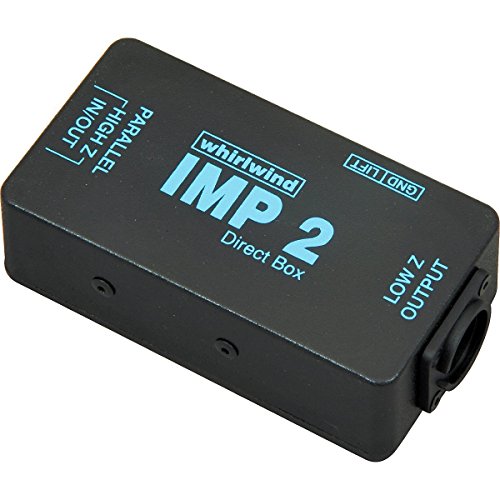
Whirlwind IMP 2 1-Channel Passive Instrument Direct Box
$79.00A passive transformer direct box with no power requirement, so it works when phantom is off and keeps working for decades. The one that lives permanently in a gig bag.
Best for: A musician who values something that never lets them down.
Check price on Amazon
Radial Pro DI Passive Direct Box
$134.99A step up in transformer quality and build, with a genuinely rugged enclosure. Handles acoustic guitar and bass without colouring the tone, and survives being stood on.
Best for: Bass players and acoustic guitarists who play weekly.
Check price on Amazon
AUDIX i5 Dynamic Instrument Microphone: Pro Snare Mic/Guitar Amp Microphone
$105.00A dynamic instrument microphone for a guitar cabinet or a snare, durable and less common than the default choice. A guitarist who owns one always gets their amp miked the way they like.
Best for: Electric guitarists who use an amplifier rather than going direct.
Check price on Amazon
Sennheiser HD 280 Pro Headphone
$85.49Closed-back headphones with strong isolation for learning the set midweek without disturbing a household. Flat enough to be honest about what they are playing.
Best for: A musician who prepares seriously between Sundays.
Check price on AmazonWho should not buy this tier: A musician whose church already supplies personal in-ear monitoring and earphones.
$150 and up: microphones and personal mixing
At this level you are either solving a specific instrument problem or handing the musician control of their own mix. Clip-on instrument microphones matter enormously for players who move while playing, and personal mixers end the weekly ritual of shouting monitor requests at the booth mid-song.

Audio-Technica PRO 35 Cardioid Condenser Clip-on Instrument Microphone
$159.00A clip-on cardioid condenser that attaches to the instrument, so a brass, woodwind or string player can move freely and stay on microphone. A stand cannot follow a player and this solves that permanently.
Best for: Brass, woodwind, strings and any player who does not sit still.
Check price on Amazon
Shure BETA 56A Snare and Tom Microphone - Supercardioid Swivel-Mount Dynamic Drum Mic for Close Miking, Equipped with Shock Mount for Sound Isolation, Dynamic Locking Stand Adapter, Steel Mesh Grille
$189.00A supercardioid dynamic on a swivel mount for snare and toms, with tight rejection that keeps hi-hat bleed out of the channel. A drummer who owns one gets a consistent sound every week.
Best for: Drummers on a regularly miked kit.
Check price on Amazon
Behringer POWERPLAY P16-M 16 Channel Digital Personal Mixer
$209.00A personal mixer gives the musician sixteen channels to balance themselves, which ends monitor requests during songs and produces a better mix than anyone in the booth could guess at.
Best for: Churches already running a compatible personal mixing system.
Check price on Amazon
Audio-Technica ATH-M50X Professional Studio Monitor Headphones, Black, Professional Grade, Critically Acclaimed, with Detachable Cable
$158.00Comfortable for long practice sessions with detachable cables, so a broken lead does not retire the headphone. A genuinely personal gift that goes home with them.
Best for: A dedicated musician who practises seriously.
Check price on Amazon
Radial ProD2 Passive 2 Channel Direct Box
$209.99Two channels of passive direct box in one enclosure, which is exactly what a stereo keyboard needs and what most churches are short of.
Best for: Keyboard players running a stereo rig.
Check price on AmazonWho should not buy this tier: A musician whose church does not run a compatible personal mixing system, since a personal mixer is useless on its own and must match the existing scheme. Also wrong for an occasional player who serves a few times a year, where the cost per use makes no sense and monitoring earphones in the band below serve them better.
Why sealed earphones are the hearing protection musicians will wear
Church musicians are among the most exposed people in the building and the least likely to do anything about it. A player standing beside an acoustic drum kit is in a 105 to 120 dBA field at three feet, for rehearsal and for every service, which is well past what NIOSH considers safe for the duration involved.
Foam earplugs exist and nobody wears them, for a good reason: they attenuate unevenly, cutting high frequencies far more than low ones, so the mix becomes muffled and the musician cannot hear their own pitch. Filtered musician earplugs solve that and are worth recommending, but they still leave the player unable to hear a monitor mix properly.
Sealed earphones solve both problems at once. They block a substantial amount of the platform noise and replace it with a mix the musician controls. The result is that they can hear themselves clearly at a much lower absolute level than a wedge would require, because they are no longer competing with the drum kit. That is the genuine hearing benefit, and it is why in-ear monitoring is the single largest improvement most church platforms can make.
The caveat is real and worth stating. The level inside a sealed earphone is set by the musician and metered by nobody. A church can run a carefully controlled room while a player runs 105 dBA in their ears. If you give earphones, give a personal amplifier with a limiter alongside them, and encourage the church to set a maximum output on its transmitters. The full picture is in the monitor mix planning chart.
How we chose
We did not test these products in person and we never claim to. Picks are researched from manufacturer specification sheets and operator manuals, FCC rules where spectrum is involved, published standards, warranty terms, and the recurring themes in verified owner reviews. Every pick is matched to a real room size, seat count or input list rather than to a price bracket, and it is placed in the tier where its capability actually belongs. Where a product is wrong for most churches we say so on the page.
Sources
- Current catalog pricing and manufacturer specifications for every product recommended
- Instrument sound pressure levels at three feet, from this site’s SPL by instrument reference chart
- NIOSH Criteria for a Recommended Standard: Occupational Noise Exposure, for the hearing exposure guidance
Frequently asked questions
What is the best gift for a church musician?
Sound isolating earphones, around $119 for the Shure SE215. They work with a church wireless in-ear system, a wired personal mixer, a pocket amplifier or a phone at home, so there is no compatibility question. The isolation lets a musician hear their mix clearly at a much lower level, which is genuine hearing protection.
What can I buy a church musician for under $50?
A pocket in-ear monitor amplifier, an active direct box, a boom stand or a quality XLR cable. These are precisely the items volunteer musicians borrow from the church every week, so owning them means arriving ready rather than hunting for a DI five minutes before rehearsal starts.
Are in-ear monitors better than earplugs for musicians?
For most church musicians, yes. Foam earplugs attenuate unevenly and leave a muffled mix, so nobody wears them. Sealed earphones block platform noise and replace it with a mix the musician controls, letting them hear themselves at a much lower absolute level. Give a limiter alongside them, because the level inside a sealed earphone is metered by nobody.
Should I buy a personal mixer as a gift?
Only after checking what the church runs. Personal mixers must match the existing monitoring system, so a unit bought for the wrong scheme is unusable. Ask whoever manages the AV budget first. Earphones, direct boxes, stands and microphones carry no such restriction and work in any church.
What is a direct box and why would a musician want their own?
A direct box converts an instrument output into a balanced signal the sound system can carry over distance without hum. Keyboard players and acoustic guitarists need one every week and usually borrow the church unit. Owning one, particularly a passive box that needs no power, means never discovering at soundcheck that it is in another building.
What microphone should I buy for a musician who moves while playing?
A clip-on condenser that attaches to the instrument, around $159. A microphone on a stand cannot follow a brass, woodwind or string player who moves, so their level rises and falls through the song. A clip-on keeps a consistent distance and lets them play naturally, which is the whole point.
Researched, not professional advice. This page is compiled from published manufacturer specifications, operator manuals, FCC rules, published standards and owner-review consensus, not hands-on testing. Sound system design, rigging loudspeakers overhead, and any electrical work are jobs for a qualified professional: have flown loudspeakers and their attachment points signed off by a structural engineer or a certified rigger, and have all wiring done by a licensed electrician to your local code. Wireless microphone rules change, so confirm the current FCC position before buying. As an Amazon Associate we earn from qualifying purchases.