In-ear monitor systems
Galaxy AS-1400: Full Specifications
Quick answer
The Galaxy Audio AS-1400 Wireless In-Ear Personal Monitor System, Code M (516 MHz - 558 MHz) lists at $449.99. Published figures: frequency band UHF, personal mixes 1, wired No. It suits adding in-ear channels cheaply for musicians who own their own earphones.
A budget UHF in-ear system with a real metal bodypack. Honest caveat: earphones are not included, and cheap earphones waste the whole purchase.
Every figure below is the manufacturer's own published specification, taken from the product listing and the data sheet. Where a figure is not published it is left out rather than estimated. Price is the listed price when this page was last compiled and it changes often.
Galaxy AS-1400 specifications
The Galaxy AS-1400 publishes frequency band UHF, personal mixes 1, wired No, at a listed price of $449.99.
| Specification | Published figure |
|---|---|
| Frequency band | UHF |
| Personal mixes | 1 |
| Wired | No |
| Rack space | 1U |
What this model suits in a church
Best for: Adding in-ear channels cheaply for musicians who own their own earphones.
Category: in-ear monitor systems. Tier on this site: Beginner, which on ChurchSoundCalc means the lowest total cost to a system that works on Sunday, for a small church or a church plant.
The closest alternatives at a similar price
Same category, nearest price. An alternative with no stated reason is filler, so each of these is here because it trades something specific against the model above.
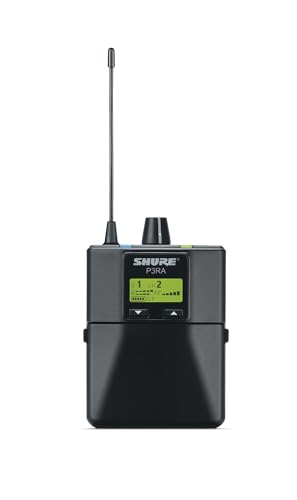
Shure P3RA Premium Wireless Bodypack Receiver for PSM300 Personal Monitoring Systems - G20 Band
$499.00A metal-bodied PSM300 bodypack receiver on its own, for adding a musician to an existing transmitter or replacing the plastic pack that got stood on.
Best for: Growing an in-ear system one musician at a time
Check price on Amazon
Shure P3T Wireless Transmitter for PSM300 Personal Monitoring Systems
$399.00A PSM300 transmitter on its own, which is what you buy when the band needs a second distinct mix rather than another pair of ears on the first.
Best for: Adding a second independent monitor mix
Check price on Amazon
Galaxy Audio AS-950R Wireless in-Ear Monitor Receiver (518-542 MHz)
$159.99A spare receiver for the Galaxy system, cheap enough to keep two in the drawer.
Best for: Spares for a volunteer band where packs get dropped
Check price on Amazon
Shure PSM300 P3TR112GR Wireless in-Ear Personal Monitoring System with SE112 Earphones - G20 Band
$799.00 Specs and sizingThe cheapest full Shure in-ear system: transmitter, bodypack receiver and SE112 earphones in one box, so a church can start in-ears with one purchase.
Best for: The first in-ear channel, usually the worship leader
Check price on AmazonSide by side
| Model | Price | Frequency band | Wired | Rack space |
|---|---|---|---|---|
 Galaxy Audio AS-1400 Wireless In-Ear Personal Monitor System, Code M (516 MHz - 558 MHz) Galaxy Audio AS-1400 Wireless In-Ear Personal Monitor System, Code M (516 MHz - 558 MHz) | $449.99 | UHF | No | 1U |
| Shure P3RA Premium Wireless Bodypack Receiver for PSM300 Personal Monitoring Systems - G20 Band | $499.00 | UHF | No | - |
| Shure P3T Wireless Transmitter for PSM300 Personal Monitoring Systems | $399.00 | UHF | - | 1U |
| Galaxy Audio AS-950R Wireless in-Ear Monitor Receiver (518-542 MHz) | $159.99 | UHF | No | - |
How we chose
We did not test these products in person and we never claim to. Picks are researched from manufacturer specification sheets and operator manuals, FCC rules where spectrum is involved, published standards, warranty terms, and the recurring themes in verified owner reviews. Every pick is matched to a real room size, seat count or input list rather than to a price bracket, and it is placed in the tier where its capability actually belongs. Where a product is wrong for most churches we say so on the page.
Sources
- Galaxy published specifications for the AS-1400
- Amazon product listing features and current pricing
Frequently asked questions
How much does the Galaxy AS-1400 cost?
It was listed at $449.99 when this page was last compiled. Pro audio and video pricing moves frequently and promotional pricing is common, so treat that as a planning figure and confirm the current price before a committee votes on a budget.
Is the Galaxy AS-1400 right for our church?
Adding in-ear channels cheaply for musicians who own their own earphones. Beyond that, the honest test is whether its numbers match your room rather than whether it is a good product in the abstract. Work out what your room actually needs first, then check this model against that answer.
Where do these specifications come from?
The manufacturer’s published figures, taken from the product listing and data sheet. We do not test products in person and we never claim to, so nothing here is a measured result. Where a specification is not published by the manufacturer it is omitted rather than estimated.
Researched, not professional advice. This page is compiled from published manufacturer specifications, operator manuals, FCC rules, published standards and owner-review consensus, not hands-on testing. Sound system design, rigging loudspeakers overhead, and any electrical work are jobs for a qualified professional: have flown loudspeakers and their attachment points signed off by a structural engineer or a certified rigger, and have all wiring done by a licensed electrician to your local code. Wireless microphone rules change, so confirm the current FCC position before buying. As an Amazon Associate we earn from qualifying purchases.